The heart is an amazing organ, yet when it fails, every 2nd matters. In emergencies like cardiac arrest, having the right devices and understanding can save lives. This is where defibrillator training courses come into play. With the surge of Automated External Defibrillators (AEDs) in public spaces, being trained to make use of these life-saving tools is extra crucial than ever. In Australia, recognition and accessibility to defibrillator training are on the surge, guaranteeing that citizens are planned for possible emergencies.
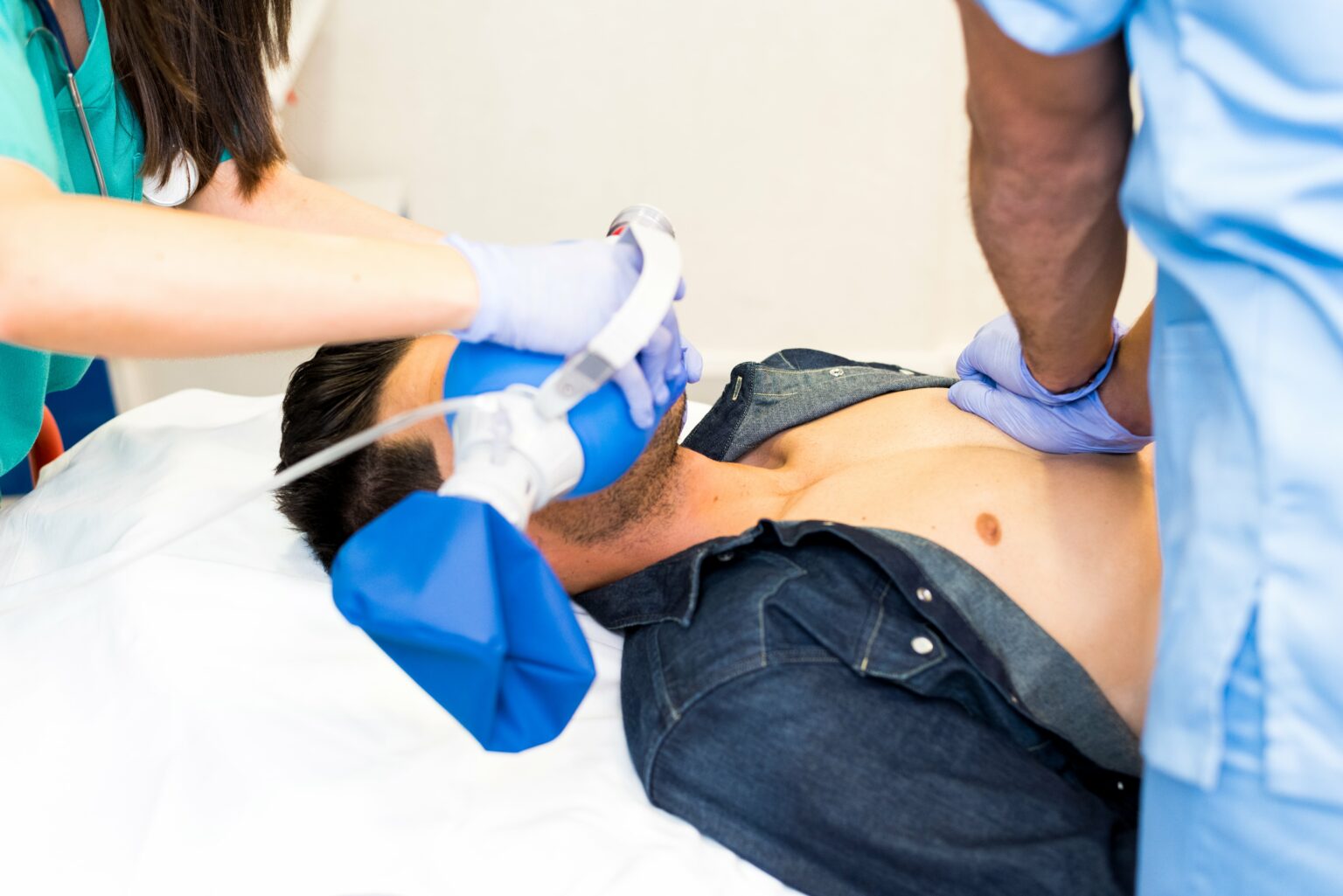
In this thorough short article, we will certainly delve into the relevance of defibrillator training programs in Australia and how they furnish individuals with vital life-saving skills.
What is an Automated External Defibrillator Explained?
An Automated Exterior Defibrillator (AED) is a mobile gadget created to deal with people experiencing sudden cardiac arrest. It evaluates the heart's rhythm and establishes whether a shock is required to bring back a regular heartbeat.
How Does an AED Work?
Power On: When you open up the AED, it automatically powers on. Attach Pads: Location sticky pads on the patient's bare chest as instructed. Analyze Rhythm: The device examines the heart's rhythm. Shock Delivery: If needed, it will advise you to press a switch to deliver a shock. CPR Instructions: After providing a shock or if no shock is advised, the AED provides singing instructions for CPR.Why Are AEDs Important?
- They significantly enhance survival rates during heart emergencies. They're easy to use and can be run by anyone after very little training. They give real-time responses on mouth-to-mouth resuscitation performance.
How to Use AED Detailed in Australia
Using an AED might seem intimidating in the beginning, however simplifying right into actions makes it manageable:
Step 1: Examine the Situation
Check whether the person is responsive and breathing generally. If they show up less competent and not breathing properly, call emergency situation solutions immediately.

Step 2: Get the AED
Locate a readily available AED; many public areas in Australia have them conveniently accessible.
Step 3: Prepare the Patient
Lay the patient flat on their back on a company surface and reveal their chest.
Step 4: Attach Electrodes
Follow diagrams on the electrode pads for right positioning-- one on the top right chest and one more on the reduced left side.
Step 5: Allow Tool to Analyze Heart Rhythm
Ensure no one touches the patient while the AED evaluates their heart rhythm.

Step 6: Supply Shock if Advised
If triggered by the tool, guarantee childcare first aid darwin every person stands clear prior to pushing the shock button.
Step 7: Carry out CPR
Regardless of whether a shock was supplied or not, start CPR quickly adhering to AED guidelines till first aid childcare brisbane emergency help arrives.
Combining AED and CPR With Each Other in Australia
The mix of utilizing an AED with Cardiopulmonary Resuscitation (CPR) substantially improves survival rates throughout cardiac emergencies.
The Role of mouth-to-mouth resuscitation Prior To Utilizing an AED
- Performing top notch mouth-to-mouth resuscitation assists preserve blood circulation till an AED can be applied. CPR needs to be started quickly after asking for emergency situation help.
AED Usage Throughout CPR
- An AED can evaluate heart rhythm even while mouth-to-mouth resuscitation is recurring; however, pauses should be made just when needed for analysis or shock delivery.
AED Use on Children in Australia
When it involves children or babies experiencing cardiac arrest, specialized methods should be followed:
Pediatric Defibrillation Guidelines
- Use pediatric pads if offered; otherwise, grown-up pads can be used yet put them besides each other. Follow specific guidelines for providing shocks based upon age-- children typically require less power than adults.
Maintaining Your AED Battery in Australia
Regular upkeep of your AED guarantees it's ready when you require it most:
Battery Life Considerations
- Most batteries last in between 2 to five years depending on use and model.
Routine Checks
- Regularly inspect battery standing signs; replace batteries as needed based on maker recommendations.
Workplace AED Demands in Australia
Employers have certain responsibilities concerning workplace security which includes having accessible defibrillators:
Legislation Overview
- Under Australian legislation, services have to analyze risks connected with cardiac emergency situations within their office environment.
Implementation Strategies
Conduct risk analyses to figure out optimum locations for positioning an AED. Provide ample training for staff members about just how to utilize tools effectively.Public AED Locations Throughout Australia
Knowing where public gain access to defibrillators lie can substantially affect survival rates:
|Place Kind|Instances|| -------------------|-----------------------------------------|| Buying Centres|Westfield shopping centers throughout significant cities|| Sports Facilities|Neighborhood gyms and neighborhood sports clubs|| Public Parks|Significant parks commonly have emergency treatment terminals|
Finding your closest public accessibility first aid course for child care workers hobart defibrillator can be accomplished with numerous sources including applications devoted to displaying nearby locations.
Defibrillator Training Courses Readily available in Australia
Investing time into discovering just how to utilize an AED can make all difference during defining moments:
Course Web content Overview
Courses typically cover:
- Understanding heart arrest Hands-on experiment mannequins Legal facets surrounding Good Samaritan laws
Contact Local Training Providers
Explore regional companies that supply licensed courses in your area!
Understanding Defibrillator Regulation in Australia
Laws pertaining to defibrillators vary state by state yet normally stress ease of access:
Key Legal Points
- Mandatory requirements for public locations hosting huge gatherings Provisions making sure routine upkeep checks
Choosing The Right AED For Your Requirements in Australia
With numerous versions available, picking a proper defibrillator calls for careful consideration:
Assess your certain needs based on place (home vs organization). Research functions such as voice prompts versus visual cues. Consider convenience of use based on prospective operators' experience levels.Identifying Potential Disasters
Being prepared means recognizing feasible scenarios that could demand making use of an AED:
Public Events Sports Tasks Workplaces with High Physical DemandsHaving skilled workers equipped with understanding of both CPR techniques combined with available defibrillators could conserve many lives throughout these situations!
FAQs Regarding Defibrillator Educating Courses
Q1: What kinds of individuals should take defibrillator training?
Anyone can take advantage of learning just how to make use of an AED! This includes moms and dads, teachers, sporting activities coaches or simply any type of participant of a community looking out for others' safety.
Q2: The length of time does a typical defibrillator training course take?
Most courses vary from 2 hours up to half day sessions depending upon certification level used by different service providers across different states within Australia!
Q3: Is there a legal need for organizations relating to having an AED?
Yes! Several businesses are needed under occupational wellness safety policies guarantee employees have access risk-free environments specifically those involving exercises where dangers are greater!
Q4: Where can I locate training programs near me?
You can look online or contact neighborhood hospitals/health companies that often give details concerning upcoming training sessions offered nearby!
Q5: Can I make use of an adult-sized AED pad on children?
Yes! While pediatric pads are liked due lower energy delivered-- grown-up pads may still function if placed properly without overlap!
Q6: How do I keep my work environment's defibrillator?
Regular checks consist of testing battery condition indications along with replacing ended components according producer standards; guarantee all staff recognize procedure access/use equipment correctly too!
Conclusion
Taking positive procedures today can imply saving somebody's life tomorrow! Registering in defibrillator training programs outfits individuals throughout areas throughout Australia with crucial skills necessary respond efficiently during emergency situations involving sudden cardiac arrest scenarios - integrating understanding utilizing automated external gadgets combined together typical methods like cardiopulmonary resuscitation ultimately leads higher survival prices overall!
We impulse you once again-- Enroll Today: The Relevance of Defibrillator Training Courses in Australia can not be overstated! Furnish on your own with this crucial understanding because when secs count-- the right prep work saves lives!